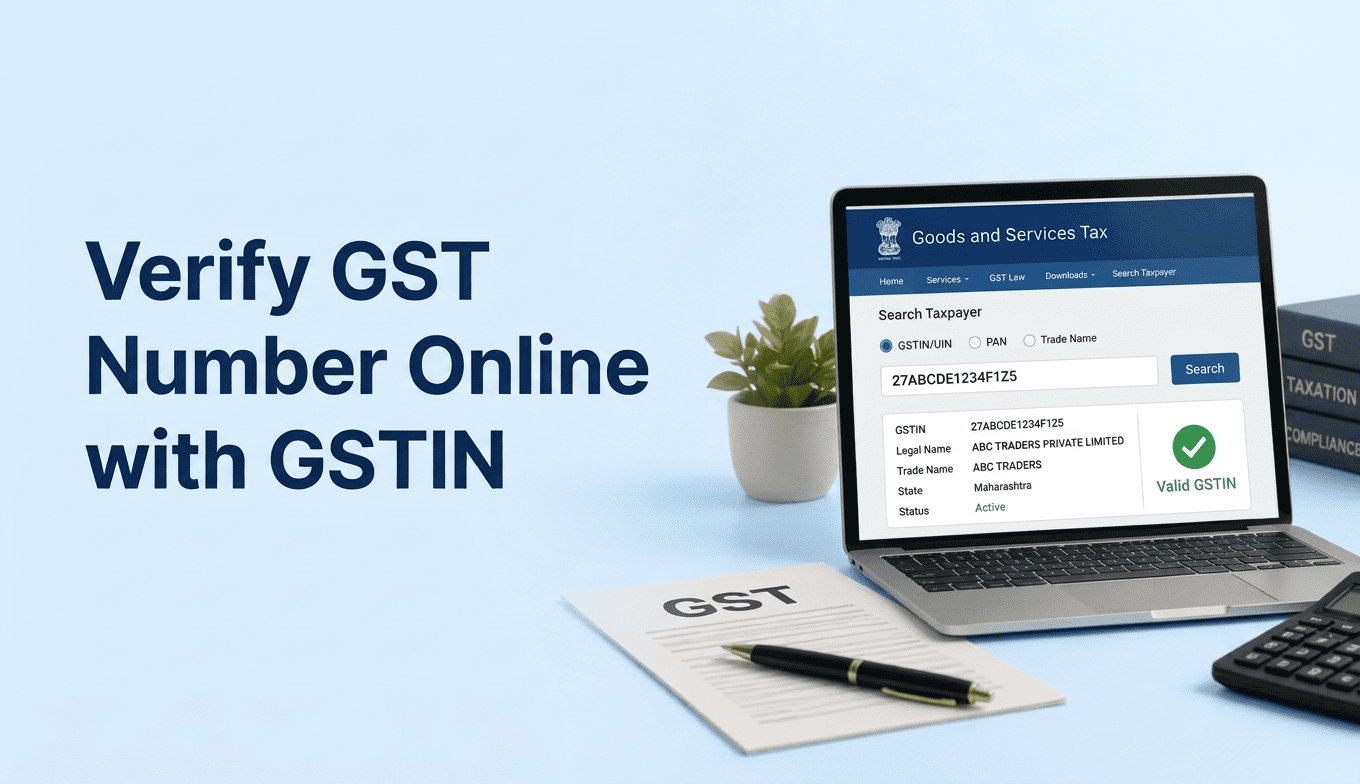
Verifying a GST number online means checking whether a business’s Goods and Services Tax Identification Number (GSTIN) is genuine and officially registered with the Indian GST department. It helps businesses confirm a supplier’s identity, registration status, legal business name and other important registration details before conducting transactions.
For businesses dealing with multiple suppliers, distributors, wholesalers and customers, checking GST details is more than a formality. An incorrect or inactive GSTIN can create problems during GST invoicing, input tax credit claims and return reconciliation.
Here’s how you can check a GST number and what you should look for before trusting the details.
Quick Summary
This guide explains:
- How to Verify GST Number Online with GSTIN using the official GST portal.
- How to check GST registration status.
- What information a GSTIN contains.
- How to identify incorrect or inactive GST numbers.
- Why GST verification matters for suppliers, manufacturers, retailers and distributors.
1. How to Verify GST Number Online with GSTIN?
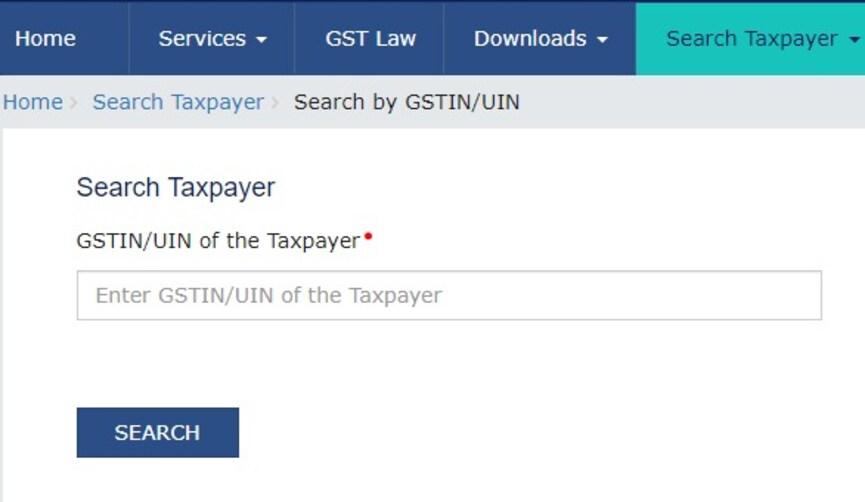
You can verify any registered taxpayer’s GSTIN through the official GST portal without creating an account or logging in.
Follow these steps:
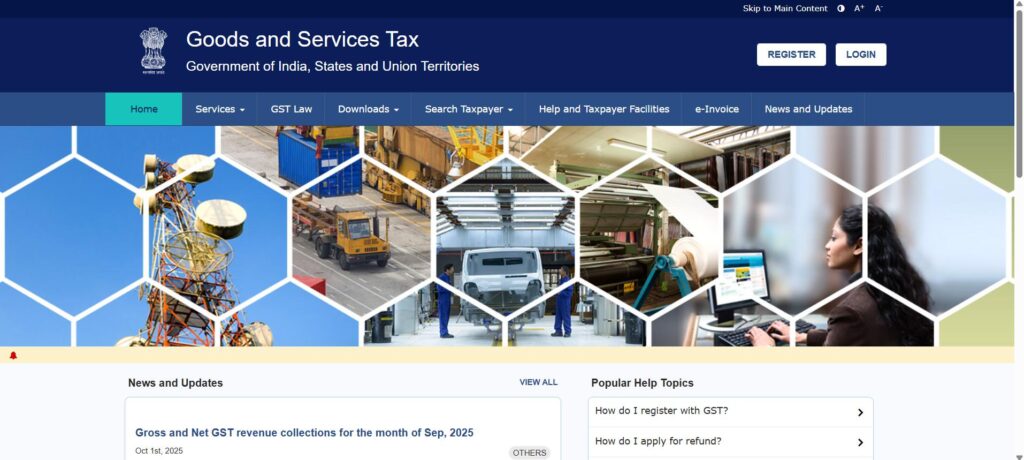
Step 1: Visit the official GST website: https://www.gst.gov.in/
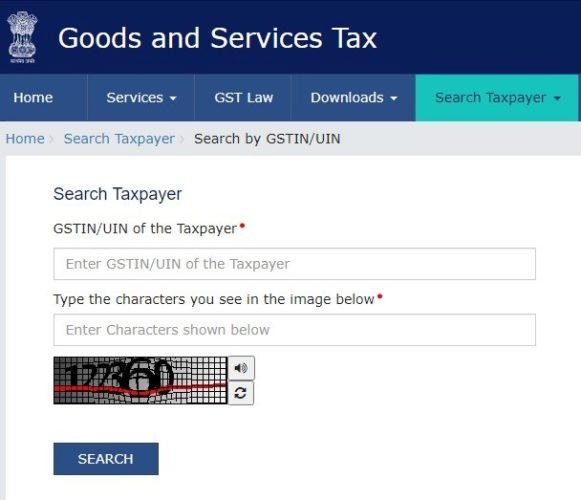
Step 2: Find the Search Taxpayer option.
Step 3: Select Search by GSTIN/UIN.
Step 4: Enter the 15-character GSTIN you want to verify.
Step 5: Enter the displayed CAPTCHA and click Search.
Step 6: Review the information displayed on the screen.
The portal provides information such as:
- Legal name of the business
- Trade name
- GSTIN registration date
- Constitution of business
- Taxpayer type
- Registration status
- Principal place of business
- Return filing details
You can also check the cancellation date if the registration has been cancelled.
Expert Tip: Don’t check only whether a GSTIN exists. Compare the legal business name and registered address with the details provided on the supplier’s invoice.
2. What Is GSTIN and How Is It Structured?
GSTIN stands for Goods and Services Tax Identification Number. It is a unique 15-character identification number assigned to a registered taxpayer under India’s GST system.
Each part of the GSTIN carries specific information.
| Position | Meaning |
| First 2 digits | State code |
| Next 10 characters | PAN of the business/person |
| 13th character | Registration number under the same PAN and state |
| 14th character | Default letter Z |
| 15th character | Checksum character |
For example, a GSTIN beginning with 24 indicates Gujarat.
Understanding this structure helps businesses identify basic errors before proceeding with GSTIN verification.
However, a GSTIN that follows the correct format is not necessarily active or genuine. Always confirm it through the official portal.
3. What Details Should You Check During GSTIN Verification?
When you Verify GST Number Online with GSTIN, don’t stop after seeing the registration status.
Check these important details:
1. Legal Business Name: Confirm that the legal name matches the supplier’s registration documents.
2. Trade Name: Some businesses operate under a different trade name. Check whether it matches the invoice or business identity.
3. Registration Status: Check whether the GSTIN is Active, Cancelled or Suspended.
4. Registration Date: This helps establish when the business obtained GST registration.
5. Business Address: Compare the principal place of business with the supplier’s available business details.
6. Taxpayer Type: Check whether the taxpayer is registered under the Regular or Composition scheme.
7. Return Filing Details: Review the available return filing information to understand the taxpayer’s filing history.
Remember, an active GSTIN does not automatically guarantee that every transaction is genuine or that the supplier has fulfilled all tax obligations.
4. Why Should Businesses Verify GST Numbers?
GST verification helps businesses reduce avoidable errors and improve vendor management.
Consider these practical situations:
- Manufacturers: Before purchasing raw materials, manufacturers can verify supplier GSTINs to reduce the risk of dealing with incorrectly registered vendors.
- Wholesalers: Businesses handling hundreds of purchase invoices can check GST details before recording transactions.
- Retailers: Retailers can confirm GST registration details when onboarding new suppliers.
- Distributors: Distributors dealing with multiple brands can maintain accurate supplier records.
- Textile Businesses: Textile traders working with manufacturers, job workers and wholesalers can verify GST details before processing business transactions.
Common Mistake: Many businesses copy GSTINs directly from WhatsApp messages or old invoices without checking whether the registration is still active.
A quick verification before vendor onboarding can prevent unnecessary corrections later.
5. Common GSTIN Verification Mistakes
Even businesses with organised accounting departments sometimes overlook basic GST checks.
Avoid these mistakes:
| Common Mistake | Possible Problem |
|---|---|
| Checking only GSTIN format | A correctly formatted number may be inactive |
| Ignoring legal business name | Supplier identity may not match |
| Not checking registration status | Transactions may involve cancelled registrations |
| Using outdated supplier details | Vendor records may become incorrect |
| Ignoring return filing information | Potential compliance concerns may go unnoticed |
Business Tip: Make GSTIN verification part of your supplier onboarding process instead of waiting until the monthly GST reconciliation.
6. How Does Accounting Software Help Manage GST Details?
Manually checking GSTINs becomes difficult when a business handles hundreds of customers, suppliers and invoices.
This is where organised accounting and inventory management software becomes useful.
With Wortal, businesses can manage important business operations through a centralised platform.
Depending on the business workflow, features such as GST billing, purchase and sales management, inventory tracking, GST reports and transaction records help maintain organised business information.
For growing wholesalers, textile businesses, distributors and manufacturers, connecting billing, inventory and accounting workflows reduces dependence on scattered spreadsheets.
However, software based record management should complement official GST portal verification, not replace it.
7. Real-Life Business Example: Why GST Verification Matters
Consider a textile wholesaler dealing with multiple fabric manufacturers and distributors.
The business regularly receives purchase invoices from new suppliers. Earlier, the accounts team entered supplier GSTINs directly into its accounting records without checking their registration details.
During a vendor review, the team discovered that some supplier records contained incorrect GSTINs and outdated business information.
The business introduced a simple verification process:
- Collect GSTIN details during supplier onboarding.
- Verify each number through the GST portal.
- Match the legal name and business address.
- Check the registration status.
- Maintain updated supplier records.
Result: The accounts team established a more reliable vendor database and reduced avoidable GST data-entry and reconciliation errors.
The biggest lesson was simple: checking supplier information before recording purchases is easier than correcting hundreds of transactions later.
Key Takeaways
- GSTIN is a unique 15-character taxpayer identification number.
- You can verify GST numbers free of charge through the official GST portal.
- Basic GSTIN verification does not require login.
- Always compare the legal name and trade name.
- Check whether the GST registration is active, suspended or cancelled.
- Review the principal place of business.
- Check available GST return filing information.
- Correct GSTIN records help improve purchase and sales management.
- Make GST verification part of supplier onboarding.
- Use organised accounting software to maintain accurate business records.
Conclusion
GST verification is a small step that can prevent bigger accounting and compliance problems.
For manufacturers, wholesalers, retailers, textile businesses and distributors, checking supplier GSTINs should be a regular business practice.
Instead of relying entirely on the information printed on invoices, verify the registration details through the official GST portal.
A reliable supplier database, accurate GST billing and organised accounting records make day-to-day business management easier.
Frequently Asked Questions (FAQs)
Find answers to common questions about GST number verification and GSTIN.